Top factors to review when choosing Water Damage Restoration professionals
Wiki Article
Water Damage Restoration 101: Understanding the Process and Expense
Water damage can strike all of a sudden, leaving homeowners in a state of confusion. Comprehending the reconstruction procedure is important for efficient healing. From reviewing the damage to picking the right service company, each step affects the general result and expense. Variables such as the sort of water damage and urgency also play a significant role. What are the particular methods utilized in remediation, and just how can one plan for possible costs?Sorts Of Water Damage
Water damage can occur from various resources, each providing one-of-a-kind obstacles for reconstruction. The 3 key kinds of water damage are classified based on contamination levels: tidy water, grey water, and black water. Tidy water stems from sources like damaged pipes or rain, presenting very little health and wellness risks. Gray water, which consists of wastewater from sinks or cleaning devices, has impurities that may trigger pain or ailment if consumed. Black water, the most dangerous classification, comes from sewer or floodwaters, consisting of unsafe microorganisms and virus. Each type demands specific reconstruction methods and precaution to properly mitigate and attend to the damage health and wellness threats. Comprehending these distinctions is crucial for experts and property owners associated with the water damage remediation procedure.Preliminary Evaluation and Inspection
A comprehensive preliminary analysis and inspection are important action in the water damage repair process. This phase begins with a specialist evaluating the degree of the damage, determining the resource of the water intrusion, and identifying the kind of water entailed - Water Damage Restoration. Service technicians use customized devices to determine dampness degrees in numerous products, such as wall surfaces, floorings, and furnishings. In addition, they evaluate architectural honesty and possible health hazards, including mold development. The searchings for from this examination educate the reconstruction plan, assisting required activities and resource appropriation. Exact documents of the damage is important for insurance policy cases and future reference. Generally, this preliminary evaluation lays the groundwork for effective reconstruction, guaranteeing a comprehensive reaction to the specific scenario available

Water Extraction Techniques
Following the preliminary analysis, reliable water extraction strategies are employed to alleviate damage and avoid further issues. These strategies entail making use of specialized devices such as completely submersible pumps and industrial-grade vacuums. The selection of technique depends on the quantity of water existing and the kind of materials affected. For standing water, completely submersible pumps are typically made use of for fast elimination, while vacuums are perfect for extracting water from rugs and upholstery. In addition, progressed techniques like water extraction floor coverings may be utilized for hard-to-reach areas. The objective is to remove as much water as feasible, minimizing the possibility for mold growth and structural damage. Trigger and reliable water extraction is essential in the general water damage restoration procedure.Drying Out and Dehumidification Process
Once the water removal is full, the drying and dehumidification procedure ends up being important to recovering the affected location. This stage normally utilizes industrial-grade dehumidifiers and air movers to properly reduce wetness degrees. The dehumidifiers reel in damp air, getting rid of excess humidity, while air movers circulate air to accelerate evaporation. Tracking tools is usually utilized to track humidity and temperature degrees, ensuring suitable drying conditions. The period of this procedure can differ relying on the extent of the water damage and environmental aspects. It is crucial to thoroughly dry all influenced products, consisting of wall surfaces, floor covering, and furnishings, to avoid mold and mildew development and architectural damage. Proper execution of this step is critical for a successful repair end result.Cleansing and Sterilizing Affected Areas
First Assessment and Examination
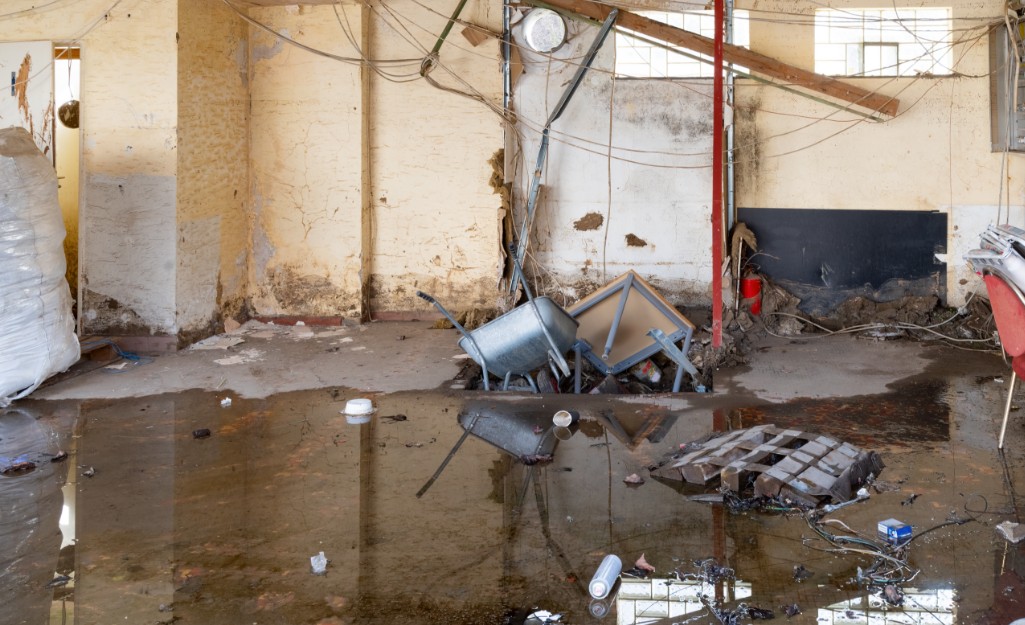
Prior to starting any type of repair efforts, a complete preliminary evaluation and evaluation of the affected areas are essential for effective cleaning and sanitizing. This process involves recognizing the degree of water damage, figuring out the source of the water intrusion, and evaluating the products affected. Assessors usually look for indications of mold development, architectural stability issues, and harmed possessions. The analysis also includes checking dampness levels using specific equipment to assure no concealed water pockets remain, as these can bring about additional problems. Recording the findings is vital for planning the following action in the reconstruction procedure. A comprehensive first assessment allows restoration specialists to design a targeted technique for effective cleansing and sterilizing, inevitably reducing damage and health and wellness risks.Cleansing Techniques and Products
Efficient cleansing and sterilizing of water-damaged areas need a range of products and strategies tailored to the certain products affected. For porous surfaces like drywall and carpeting, removal techniques are vital to get rid of excess dampness, complied with by deep cleaning with specialized cleaning agents. Non-porous products such as floor tile or steel can be cleaned making use of commercial-grade cleansers that effectively get rid of impurities. Heavy steam cleaning is an additional effective method, specifically for carpets and furniture, as it makes use of high temperature levels to remove bacteria and mold. Furthermore, environment-friendly items are progressively popular for their safety and effectiveness. Ultimately, choosing the appropriate cleansing techniques and products not just assures instant sanitation yet likewise help in protecting against additional damage and health threats connected with water intrusion.Sanitization and Disinfection Techniques
When addressing water damage, appropriate sanitization and disinfection techniques are necessary to guarantee the safety and security and health and wellness of the damaged environment. After first cleaning, surface areas should be treated with proper disinfectants to remove virus, mold, and bacteria that thrive in moist conditions. Usual techniques include using EPA-approved chemical disinfectants, which can be applied via spraying or wiping strategies. Furthermore, ultraviolet (UV) light systems can efficiently sterilize locations by reducing the effects of bacteria without harsh chemicals. The choice of method typically relies on the type of materials influenced and the degree of contamination. Ultimately, thorough sanitization not just restores a safe home however likewise helps prevent future health risks connected with sticking around moisture and mold and mildew development.
Fixings and Restoration Options
Aspects Influencing Restoration Costs
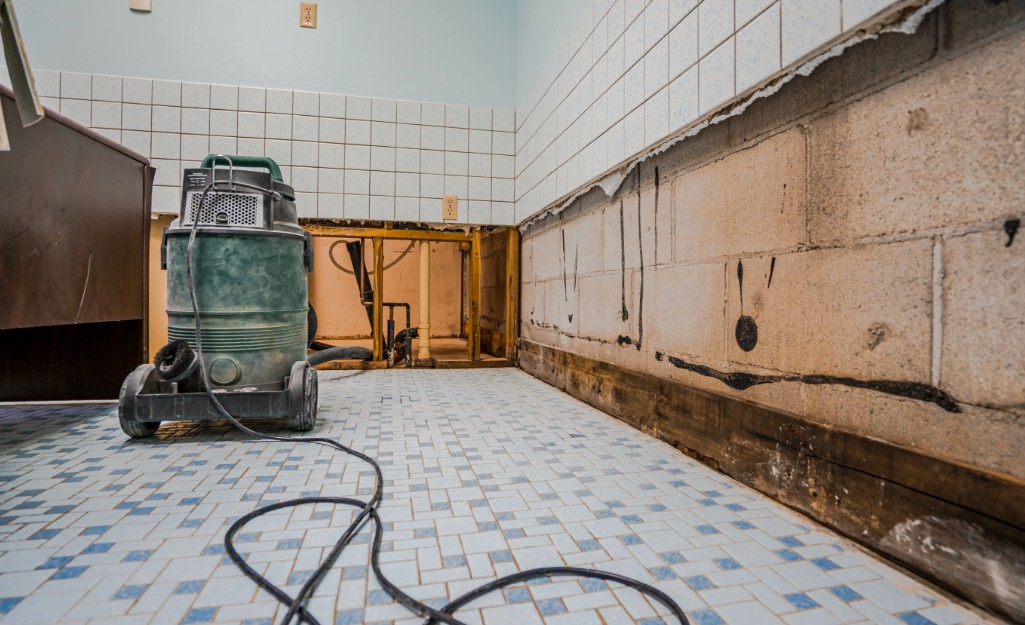
The extent of water damage straight influences the repair costs home owners can expect to incur. Variables such as the source of the water, the period of exposure, and the affected materials considerably affect prices. Clean water Recommended Site damage from a damaged pipe is usually much less pricey to restore compared to damage caused by sewage (Water Damage Restoration). In addition, the degree of contamination determines the need for specialized cleansing and disposal services, better boosting expenditures. Geographic place likewise contributes, as local labor prices and accessibility of repair services can differ. The seriousness of the reaction affects prices; quicker treatments usually lead to lower general expenses by stopping further damage. Recognizing these variables is important for house owners when estimating reconstruction expensesThe three key types of water damage are categorized based on contamination degrees: clean water, gray water, and black water. A comprehensive first assessment and assessment are important actions in the water damage reconstruction process. For standing water, completely submersible pumps are usually made use of for fast removal, while vacuums are ideal for removing water from carpetings and furniture. The degree of water damage directly affects the reconstruction costs property owners can expect to incur. Tidy water damage from a damaged pipe is normally less pricey to recover compared to damage created by sewer.
Report this wiki page